Got 20 Minutes to Spare? Here Are Better Ways to Use a Short Break
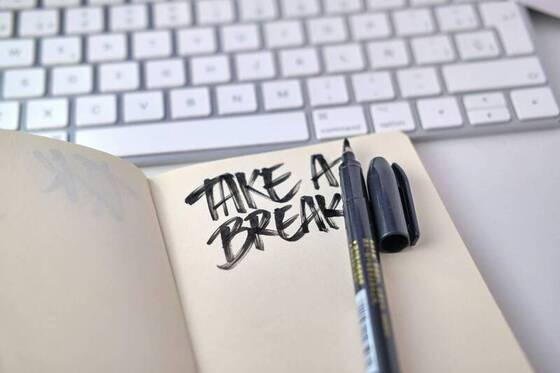
Photo by Glenn Diaz on Unsplash.
Twenty minutes can feel too short to do anything meaningful, which is why short breaks often disappear into aimless scrolling. But a small window of free time can still be enough to reset, finish a minor task, enjoy a hobby, or simply step away from whatever has been demanding attention.
The key is choosing activities that fit the time available. Starting something that needs an hour can create frustration, while something simple can make a short break feel surprisingly useful. A quick walk, a few pages of a book, a short game, or even preparing a decent snack can create more of a mental reset than spending the whole break switching between apps.
Choose Something You Can Start and Stop Easily
The best short-break activities are usually the ones that do not require preparation.
A quick game, a short video, a puzzle, or another familiar digital hobby can work well because there is no need to set anything up. Someone who already enjoys casual casino-style games might spend a few minutes on a phone casino mrq, while another person might prefer a mobile puzzle or strategy game.
The useful part of this kind of break is its clear boundary. Twenty minutes is enough to enjoy something briefly without turning it into the main activity of the day.
Short entertainment works best when it stays short.
Take a Walk Without Turning It Into Exercise
A twenty-minute walk can be enough to change the pace of the day.
There is no need to treat it as a workout. Walking around the block, stepping outside for some air, or taking a slightly longer route to get coffee can provide a break from screens and sitting.
The change in environment is often as useful as the movement itself.
If the day has been busy or mentally demanding, a short walk can create some distance from whatever was occupying attention. It is also one of the easiest ways to use a break without needing equipment or planning.
Read Something Short
A twenty-minute break is long enough for a chapter, an article, or a few pages of a book.
Reading works particularly well when the material is already nearby. Keeping a book on a desk or saving a few articles for later can remove the temptation to spend half the break deciding what to read.
The goal does not need to be progress.
Reading ten pages can still feel more satisfying than scrolling through dozens of unrelated posts. It also provides a cleaner mental break because attention stays with one thing rather than constantly switching.
Do One Small Task You Have Been Avoiding
Short breaks can also be useful for minor tasks that never seem important enough to schedule.
Replying to one email, booking an appointment, paying a bill, organizing a drawer, or making a quick phone call can all fit comfortably into twenty minutes.
The trick is to choose only one thing.
Trying to clear an entire to-do list can turn the break into another work session. Completing one small task creates a sense of progress without taking over the available time.
This can be especially useful when a minor obligation has been sitting in the background for several days.
Make a Better Snack or Drink
A short break is enough time to prepare something more enjoyable than whatever happens to be closest.
Making coffee properly, cutting up fruit, preparing a sandwich, or putting together a quick snack can make the break feel more intentional.
It also creates a reason to step away from a desk or screen.
The activity itself does not need to be productive. Preparing something simple and then sitting down to enjoy it can be a better reset than eating while continuing to work.
Stretch and Change Position
Long periods of sitting can make a short break especially valuable.
A few minutes of gentle stretching, walking around the room, or simply changing position can help break up long sedentary periods.
There is no need for a full exercise routine.
Shoulder rolls, light mobility work, or standing and moving for a few minutes can be enough to make the next work period feel more comfortable.
The main benefit comes from interrupting the same posture rather than trying to fit a workout into a tiny window.
Listen to a Few Songs Properly
Music is easy to use in the background, but a short break is also a good time to actually listen.
A few favorite songs, part of an album, or a new artist can fill twenty minutes almost perfectly.
This can be especially useful when reading or watching something feels like too much concentration.
Music also creates a clear transition between activities. A few tracks can mark the end of one task and the beginning of another without requiring much effort.
Step Away From Notifications
A break does not feel much like a break if the same work messages, emails, and alerts continue appearing.
Turning notifications off for twenty minutes can create a noticeably different experience.
That does not mean disconnecting for the entire day. It simply gives the mind a short period without new demands constantly arriving.
Even if the break is spent doing very little, removing interruptions can make it feel more restorative.
Write Down What Is on Your Mind
Sometimes a short break is useful because there is too much mental clutter rather than too much physical work.
Taking a few minutes to write down tasks, ideas, worries, or reminders can make them easier to manage.
This does not need to become journaling unless that is something already enjoyed.
A simple list can be enough. Once thoughts are written down, there is less pressure to keep remembering them.
That can make it easier to return to work with a clearer sense of what actually needs attention.
Treat Short Breaks as Real Free Time
Twenty minutes may not be enough for a major project, but it is still enough to change the mood of part of the day.
The most useful breaks usually have a clear purpose: move, rest, read, play, eat, listen, or finish one small task.
Trying to squeeze too much into a short window defeats the point.
Choosing one simple activity and giving it full attention can make twenty minutes feel much longer than spending the same time drifting between notifications, tabs, and apps.